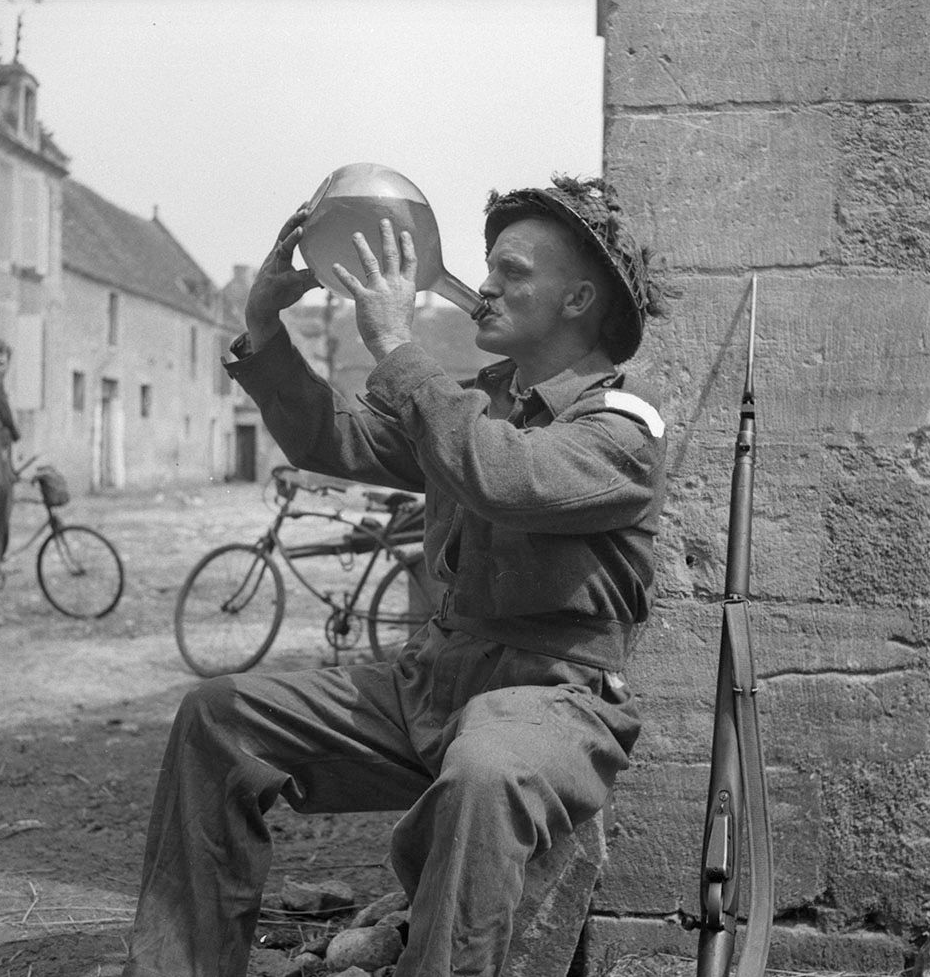


The Highland Light Infantry of Canada and the heavy fighting in Speldrop
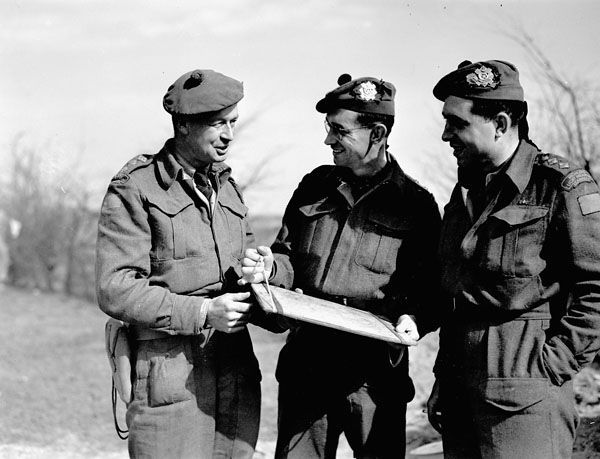
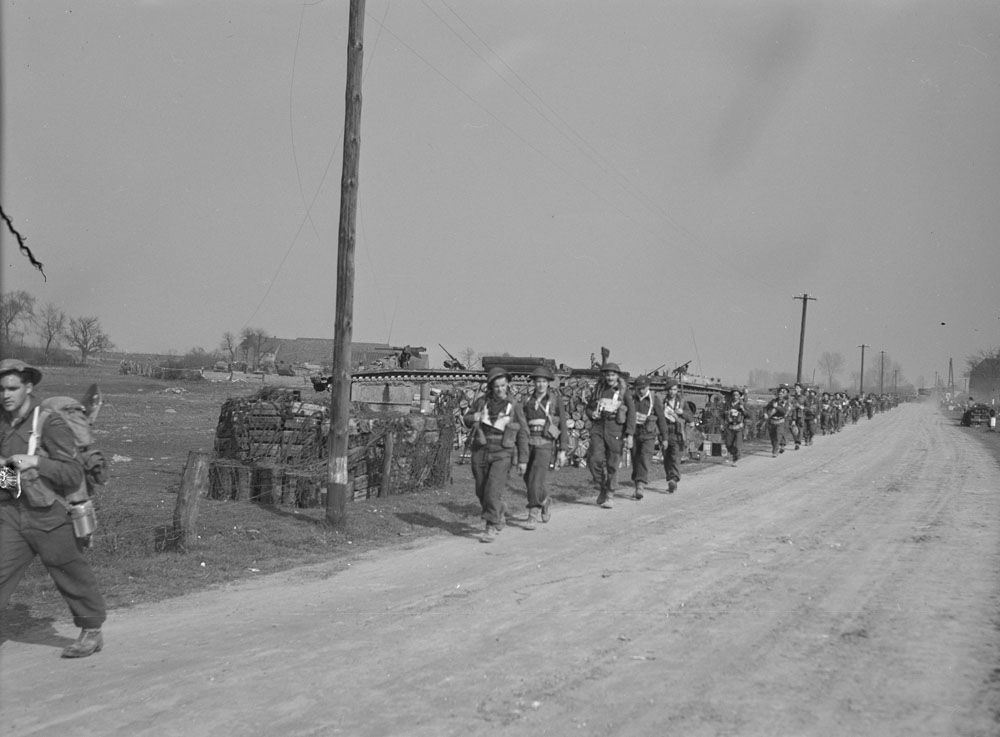
In the night of 23 on 24 March 1945 Operation Plunder started. The infantry had to get across the Rhine between Emmerich and Rees and make contact with the Airborne Forces dropped around Hamminkeln, Germany during Operation Varsity. The crossing was a combined British/Canadian assault on the northern part of Germany (often mentioned as eastern side of the Rhine).
The Highland Light Infantry of Canada got orders to get ready to cross the Rhine at 03.45 hours. In their war diary from 24 March 1945 the war diarist noted the following:
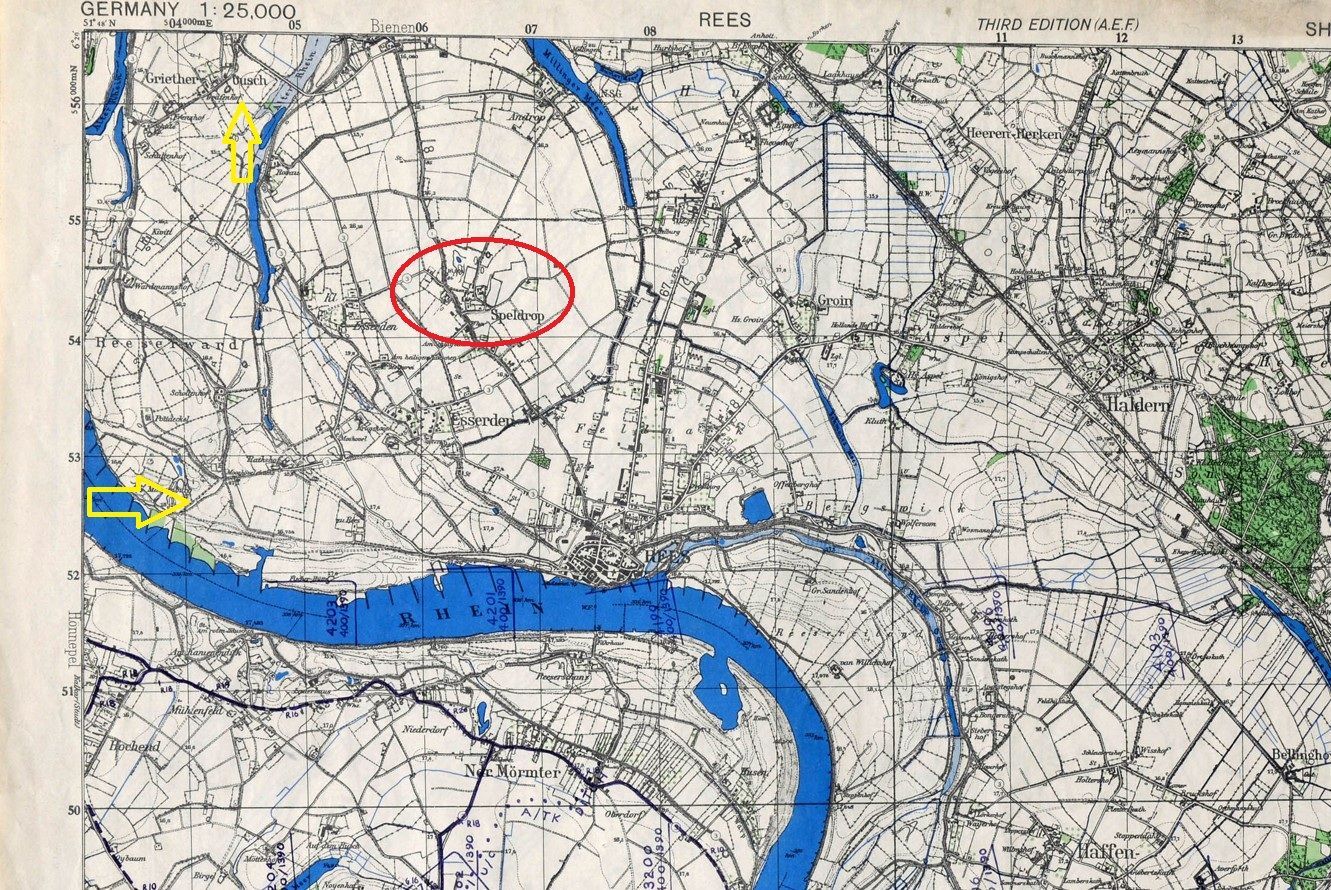
"Our order to move came through at 0345 hrs and at 0425 the four rifle companies loaded onto Buffaloes and crossed the "mighty" Rhine. The first Canadian unit crossing was made under sporadic shelling. At 0545 hrs the Command Group and "F" Echelon crossed and landed at MR 026535 (Reeserward). Our guides led us to our assembly area at 044565 (Grietherbusch). On the way to their coy area, "C" Coy picked up 30 Volksturm who were sitting along the dyke. Using their 1913 style rifles apparently did not apeal to the Volksturm and they were pleased when "C" Coy accommodated them and sent them along to the PW cage.
It was found that the forward troops were meeting stiffening opposition and that the original plan was being delayed by the stubborn defense of Speldrop which the 7th Black Watch attacked. During the early morning action the General Officer Commanding of 51 Highland Division was killed by enemy shellfire. (Major General Tom Gordon Rennie)
After three unsuccessful attempts to capture Speldrop the 7th Black Watch were forced to retire. The HLI of C was then assigned the task of capturing the strongpoint.
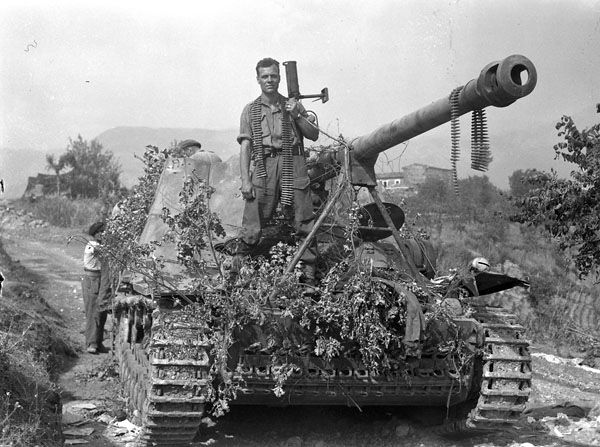
At 1730 hrs the attack was launched - "B" Coy leading, followed by "A" and "C" Coys and "D" Coy in reserve. To get to the town the unit had to cross a broad flat stretch of field which despite the heavy barrage laid on enemy positionns by our artillery, was still swept by MG fire and pounded by enemy arty and mortar fire. The paratroops holding the town fought fanatically and at 2359 hrs we had succeeded in clearing only a portion of the town.
Weather - clear, bright. Vis - excellent. Morale - good."
The next day, March 25, the fighting around Speldrop continued and the town was eventually taken:
"The battle continued well on into the morning. Houses had to be cleared at the point of the bayonet and single Germans made suicidal attempts to break up our attacks. "Wasp" flame throwers were used to good effect. It was necessary to push right through the town and drive the enemy out into fields where they could be dealt with. "D" Coy sent a strong patrol out of the town and captured several MG crews who were asleep at their guns. What they had been through in the past 24 hours of almost continual attack had apparently rendered them completely exhausted.
When the last snipers had been cleaned out the Battalion consolidated and was soon relieved by the 7th Black Watch. The unit retired to the Esserden area where we were subjected to heavy enemy artillery concentrations. North Nova Scotia Highlanders and the Stormont, Dundas and Glengarry Highlanders were by this time working their way through the Reeserward area and they were teeing up to attack Bienen and after clearing half the town after repeated attempts had to call a halt. It was at this time that the HLI of C was ordered to capture the balance of Bienen.
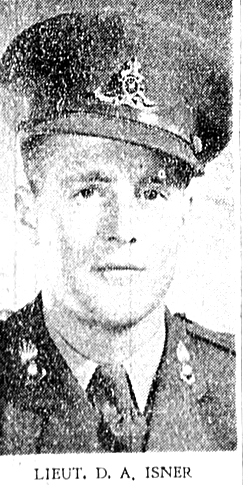
Casualties to this date include - wounded - Lieut. J.D. Spohn, Lieut. F. Snyder, Capt J. Ferguson (not evacuated) and 21 ORs; killed - Lieut. B F. Zimmerman, Lieut. D.A. Isner and 11 ORs.
Weather - showers, clearing toward night. Vis poor. Morale - fair."
After capturing Speldrop the fighting kept on going on the 26th of March and according to their war diary the HLI faces fanatic fighting Germans.
From their war diary on the 26th of March:
Progress was very slow as the enemy fought like madmen. Isolated houses had to be cleared and proved most difficult. The enemy arty and mortars poured shells into our tps continually. Again single paratroopers made suicidal charges at our advancing tps. They were consistently chopped down but sometimes not before they had inflicted casualties on our sections.
Also a lesson was learned from their attacks on Speldrop and Bienen:
A lesson learned during the battles for Speldrop and Bienen.
VILLAGE CLEARING
When open ground has to be crossed to attack isolated houses we must make use of our Support arms including an arty barrage, to block off the flanks as well as hitting the objective.
The casualties with the HLI of Canada listed on the 24th are the following:
- Corporal Adam Edward Conway, age 23.
- Corporal Thomas Henry Corbett.
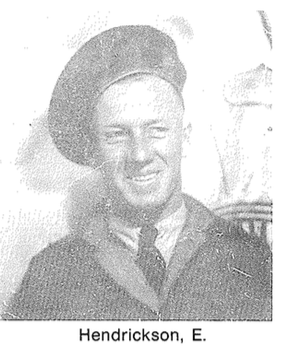
- Private Edwin Harold Hendrickson.
- Private Walter Henry Lewis, age 30.
- Private Nelson A. Logan, age 20.
- Private Roland Anselm Papineau.
- Private Keith Allan Beange, age 19.
On the 25th none are listed, but they are all listed on the 26th:
- Private William James Carruthers, age 25.
- Private Bernard Chattaway.
- Private Frederick Morris Dillon, age 21.
- Private Jack Edward Kelleher, age 26.
- Lieutenant Bruce Frederick Zimmerman, age 24.
- Prtivate Adrien Paul Sauve.
- Lieutenant Donald Arthur Isner, age 24.
- Private David Hugh McMaster, age 27.
- Lieutenant George Oxley MacDonald, age 27.
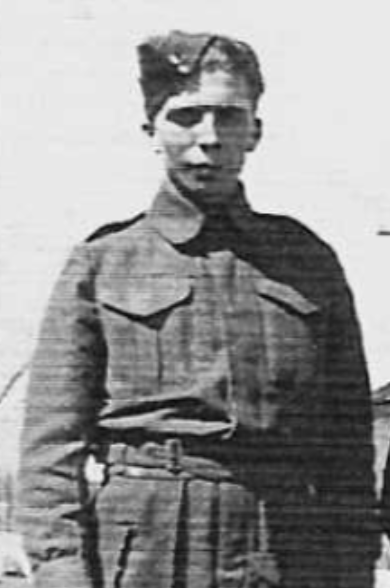
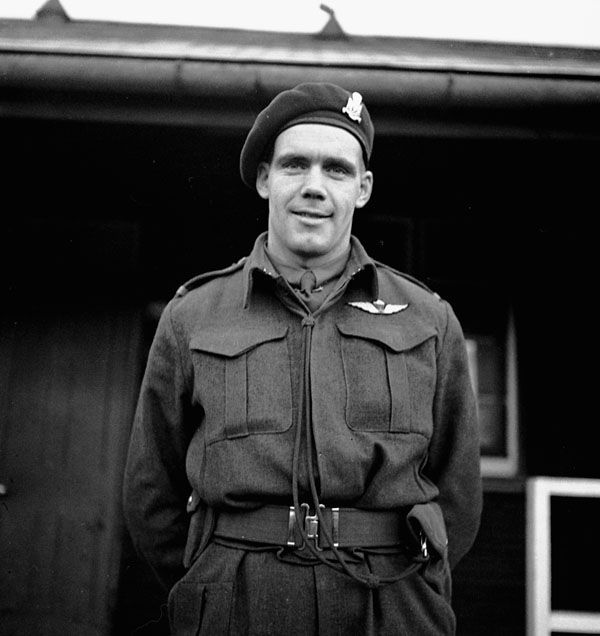
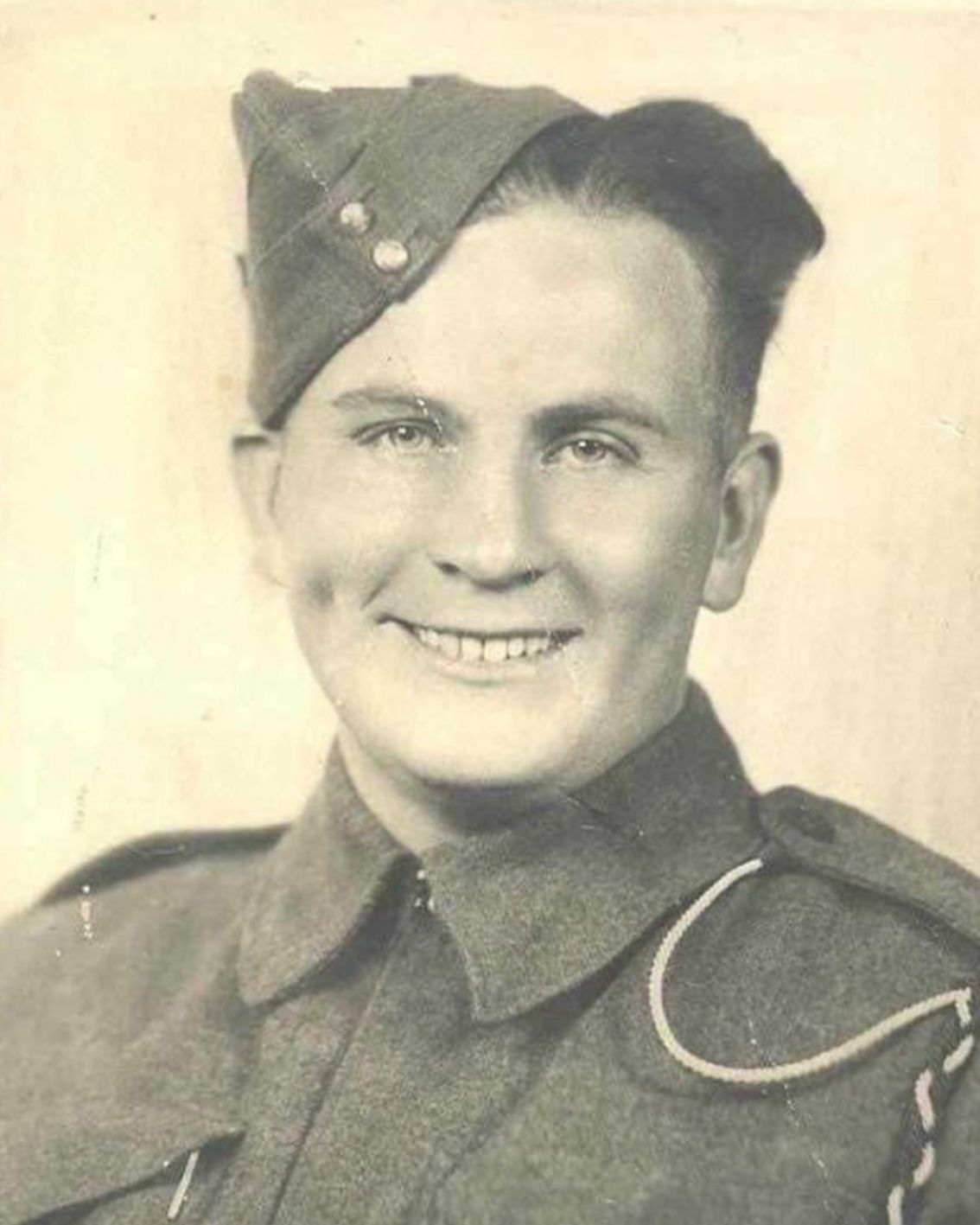
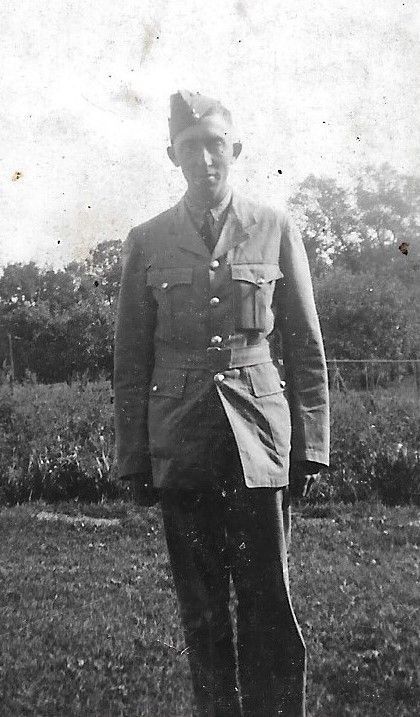
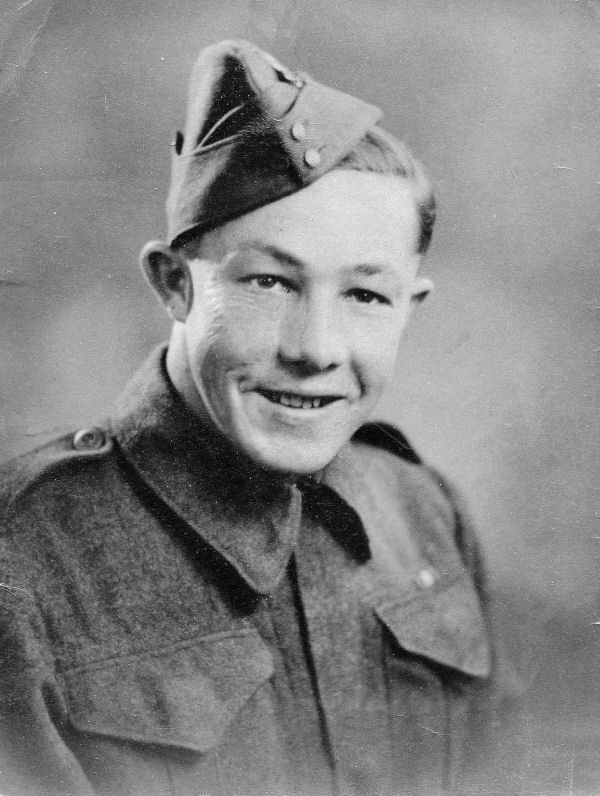
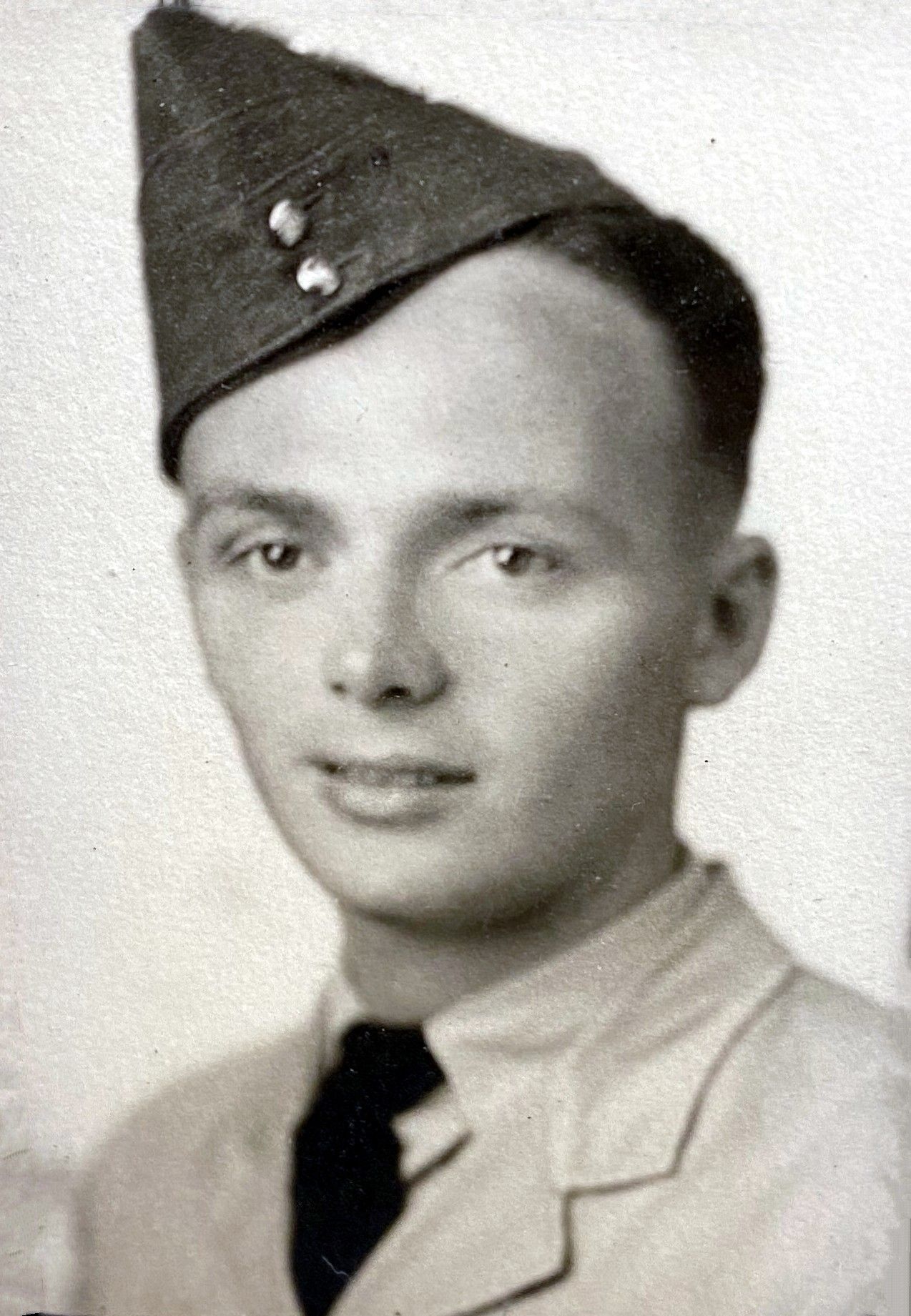
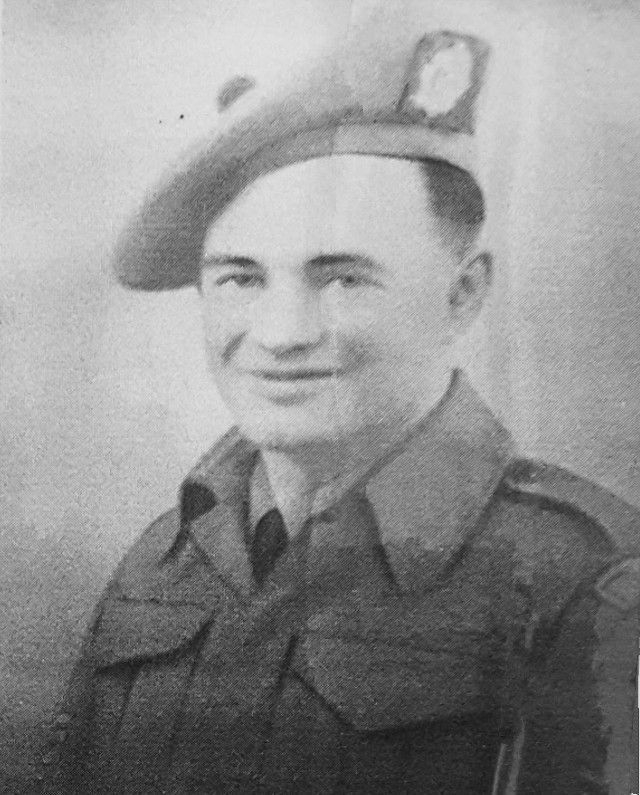
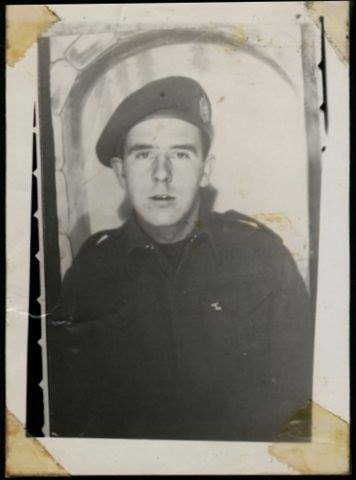
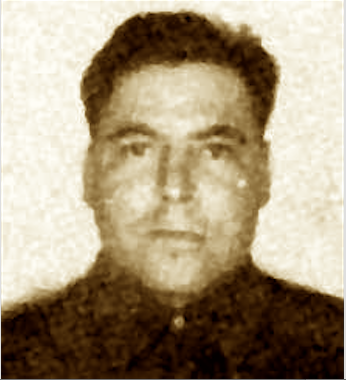
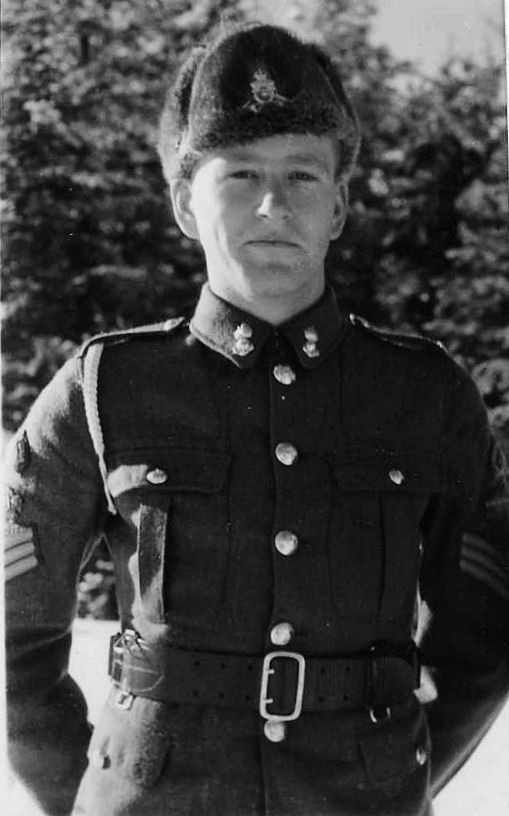
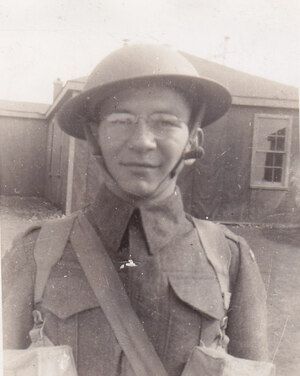
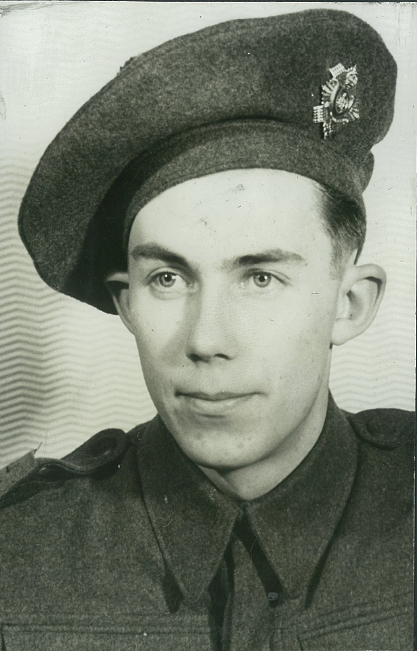
All men are buried at Groesbeek Canadian War Cemetery. Below some photos of the men who were killed in action.
Just scroll over their photos and you will see their names.
Photo sources: Libraries and Archives of Canada & Operation: PictureMe
Read about our journeys in our blogs
This is our Explore Diary